Back To School - Coloeptera - Going out to some Beetles
In this blog, I want to like as the title suggest go back to school and talk about a particular topic I have been reading in the week. Its my plan to showcase that education is not simply something that is tied to school or any other education institutions but something that we do in our everyday life. In fact, this is part of the reason that i find that the best skill any person can get from school is how to be an autodidact because we are not students just for a set period of our life but as a state that continues throughout our lives. After all, everyday we learn news things either at work, leisure or through observation of everyday life. So in this place, I want to display the things I randomly get interested in and study and I stress the random because I can get interested in many topics ranging from something you might find normal to something rather peculiar. I will try to keep it casual instead of formal and academic.
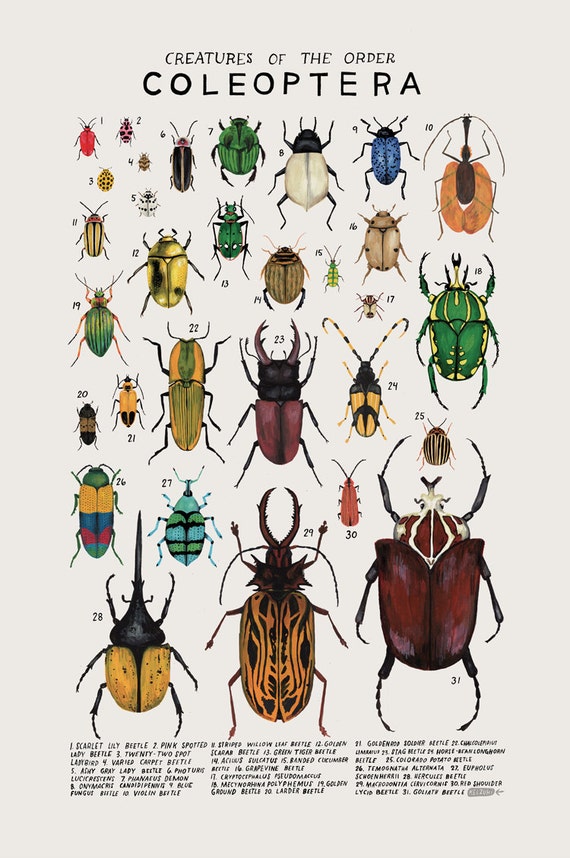
The Coleoptera or the beetle order, a common sight in our day to day life, these animals can be beneficial for farmers especially the carnivorous ones that eat other insects like the lady bird which is probably the most widely known beetle species.
They are also collected as pets in Asia mostly, in particular the rhinoceros beetle sub family of the scarab beetle family. They are coveted not only because of their larger size but also as that picture shows they have distinct form and illustrious colours in addition they are relatively easy to manage and safe to handle because they cannot bite or sting. Another way in which this family of beetle is used by humans in is in fights since they are confrontational especially towards other males for female attention, they use females to cause fights and then people gamble on the victor.
Going to the past, Scarab beetles most notably dung beetles were very prominent in ancient Egyptian culture being used in emblems and drawings and many others.
The Coleoptera or the beetle order, a common sight in our day to day life, these animals can be beneficial for farmers especially the carnivorous ones that eat other insects like the lady bird which is probably the most widely known beetle species.
They are also collected as pets in Asia mostly, in particular the rhinoceros beetle sub family of the scarab beetle family. They are coveted not only because of their larger size but also as that picture shows they have distinct form and illustrious colours in addition they are relatively easy to manage and safe to handle because they cannot bite or sting. Another way in which this family of beetle is used by humans in is in fights since they are confrontational especially towards other males for female attention, they use females to cause fights and then people gamble on the victor.
Going to the past, Scarab beetles most notably dung beetles were very prominent in ancient Egyptian culture being used in emblems and drawings and many others.
The defining trait of beetle that people usually think is the hardened forewings known as elytra which gives origins to its greek name technical name Coleoptera, the techinal name for the order of beetles, it was coined by Aristotestle, the renowned philosophers but also who did just about everything. Coleo means sheath and ptera means wings and this of course is a reference to the shield wings that is present in all beetles. They also compose the largest of all orders and can be found all around globe apart from the depths of the oceans. So we bump into them quite frequently and the 400,000 strong number of different species grow as new species are discovered frequently.
The little fellas come in many forms and shapes but they are also part of the super order Endropterygota and this means they go through, like many other insects, a larvae, pupa and adult stage. An interesting thing is that beetles are the most widely eaten insect especially in their larvae, I have not eaten it might but it is ambulant in protein and it is one the best sources of protein even more so than meat and other forms of most widely eaten protein.
There are many derived characteristics - characteristics that are shared between a group of species with in the coleoptera are the hinds two thoracic segments with a large photorax but a reduced mesothorax that connects to the abdomen as opposed to other groups of insect which have only one thorax segment which connects to the abdomen.
These are the characteristics that are prominent in Coleoptera but there are two principal sub orders underneath the main order : Adephaga and Polyphaga. There are two other sub orders, archostemate and myxophaga but they are a lot smaller than the main two.

In order to distinguish between the beetles in the orders, there are specific characteristics. Adephaga as pictured above have a thread like shape, and it is technically known as filiform antenna and a five joined tarsus and a larvae of the campodeiform type which refers to larvae with legs, antennae and flattened body. Most beetles in this sub order are carnivores and if fact this is the origin of the name Adephaga which means gluttonous in greek. Not all of them are though, there are algae, seed and fungi feeder species as well. I can no go in specific detail referring to species because it would take a large post but perhaps in another post I can specifically focus on a sub order or family.
The other sub order Polyphaga is by far the largest in terms of species containing to as much as 90% of all beetle species. It is so large that it contains further sub orders known as infra orders underneath it to classify different species. Of course, being so large its various species eat many different which comes in handy because thats what the name means in greek as well. Polyphaga are too wide ranging to have an specific characteristic to classify but the tarsus can sometimes reduced to joints of 3, antennae can vary from filiform to clavate and geniculate. The form of the larvae can also range from campodeiform to the legless grub. So there are various differences between members of the Polyphaga.
Myxophaga are a rather small order, and these beetles range from small to tiny and often are aquatic or semi aquatic and feed on algae. In terms of physical characteristics, the antenna are usually clubbed as well as their minute size.
Archomestate are the smallest beetle order and are rather rare, the antenna is usually filliform or milliform and their are like Myxophana rather small in size. In fact, they position as a sub order of Coleoptera is still very much debated, like mosts things ought to be.
-
There are many derived characteristics - characteristics that are shared between a group of species with in the coleoptera are the hinds two thoracic segments with a large photorax but a reduced mesothorax that connects to the abdomen as opposed to other groups of insect which have only one thorax segment which connects to the abdomen.
These are the characteristics that are prominent in Coleoptera but there are two principal sub orders underneath the main order : Adephaga and Polyphaga. There are two other sub orders, archostemate and myxophaga but they are a lot smaller than the main two.
In order to distinguish between the beetles in the orders, there are specific characteristics. Adephaga as pictured above have a thread like shape, and it is technically known as filiform antenna and a five joined tarsus and a larvae of the campodeiform type which refers to larvae with legs, antennae and flattened body. Most beetles in this sub order are carnivores and if fact this is the origin of the name Adephaga which means gluttonous in greek. Not all of them are though, there are algae, seed and fungi feeder species as well. I can no go in specific detail referring to species because it would take a large post but perhaps in another post I can specifically focus on a sub order or family.
The other sub order Polyphaga is by far the largest in terms of species containing to as much as 90% of all beetle species. It is so large that it contains further sub orders known as infra orders underneath it to classify different species. Of course, being so large its various species eat many different which comes in handy because thats what the name means in greek as well. Polyphaga are too wide ranging to have an specific characteristic to classify but the tarsus can sometimes reduced to joints of 3, antennae can vary from filiform to clavate and geniculate. The form of the larvae can also range from campodeiform to the legless grub. So there are various differences between members of the Polyphaga.
Myxophaga are a rather small order, and these beetles range from small to tiny and often are aquatic or semi aquatic and feed on algae. In terms of physical characteristics, the antenna are usually clubbed as well as their minute size.
Archomestate are the smallest beetle order and are rather rare, the antenna is usually filliform or milliform and their are like Myxophana rather small in size. In fact, they position as a sub order of Coleoptera is still very much debated, like mosts things ought to be.
-
Comments
Post a Comment